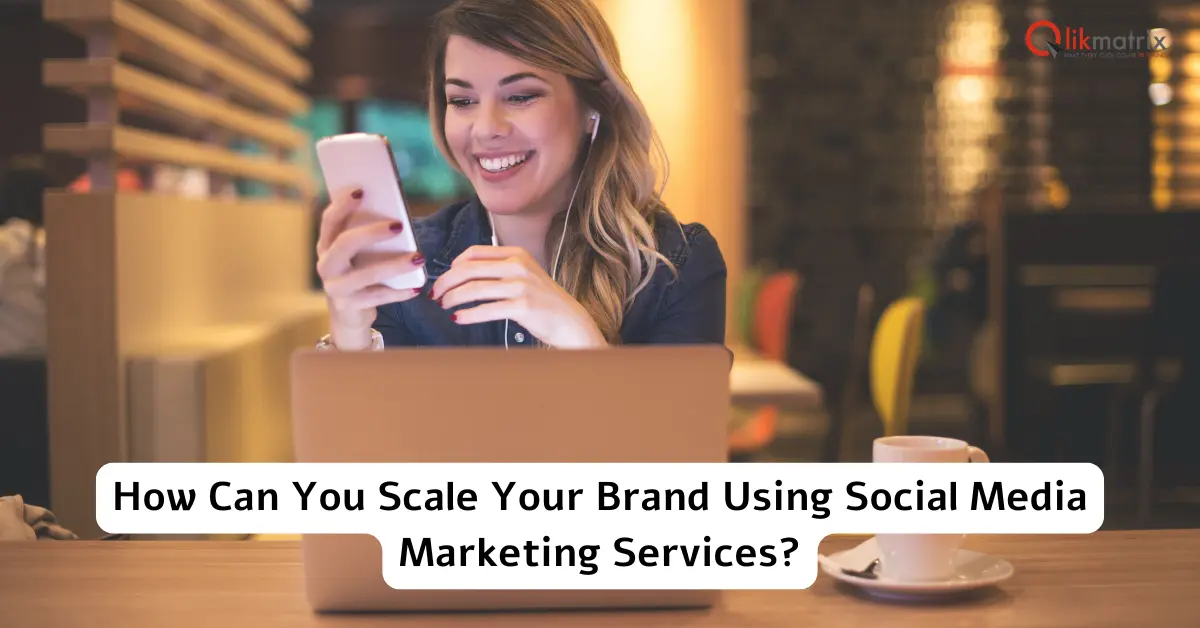
How Can You Scale Your Brand Using Social Media Marketing Services

Scale Your Brand Using Social Media Marketing Services

No one opens Instagram thinking, “I want to buy something today.”

But still, consumers part with their cash to companies with whom they’ve never had a conversation, exchanged messages, or purposefully followed.

The decision is made in the background as one scrolls, pauses, notices, and then forgets.

Social media doesn’t create demand.

It creates familiarity.

This is where social media marketing services actually matter, not in posting more content, but in shaping what people remember about your brand when they finally need you. Every day, your audience scrolls past hundreds of posts. Most are forgotten within seconds. But a few brands stay because they feel familiar. Those brands don’t just exist online. They live in the audience’s mind.

That’s the real power of social media marketing services in 2026.

Not visibility for the sake of visibility, but presence that builds trust, recognition, and growth over time.

This blog explores how brands actually scale using social media marketing services, why the best social media marketing services focus on systems rather than shortcuts, and how smart strategy turns scrolling into sales without chasing virality.

Why Social Media is Where Brand Scaling Truly Begins?

People no longer discover brands through ads alone.

They discover them through repetition.

They saw a post today. A reel tomorrow. A comment next week. By the time they need your product or service, your brand already feels known.

This silent familiarity is what drives modern buying decisions. And this is exactly where social media marketing services matter most, helping brands show up consistently across platforms in a way that feels natural, not forced.

A reliable social media marketing company understands that growth doesn’t start with selling. It starts with being remembered.

The Real Job of Social Media Marketing Services

Social media marketing is often misunderstood as “posting content.” In reality, posting is only the visible layer.

Professional social media marketing services focus on:

  • Shaping perception
  • Building credibility
  • Creating engagement loops
  • Supporting conversion decisions

An experienced SMM services provider treats social media like a long conversation with the audience, not a one-time announcement.

Strategy is What Separates Growth from Guesswork

Posting randomly can get attention.

Posting strategically builds brands.

Brands that scale don’t ask, “What should we post today?”

They ask, “What does our audience need to see repeatedly to trust us?”

Example:

  • A coaching brand doesn’t just share wins. It discusses mistakes, lessons, customer transformations, and daily insights. Followers become emotionally invested in the brand’s journey as they consume material.

The best social media marketing services provide human, consistent, and intentional content frameworks.

Engaging Content That Keeps Readers

Good content doesn’t demand attention. It merits it.

Example:

  • A modest D2C brand posts honest updates on manufacturing delays, packaging decisions, and consumer feedback. Real but unglamorous information. Trust and engagement rise steadily. That trust eventually turns into loyal customers, the kind that don’t need convincing.

This is how social media marketing services quietly create momentum.

How Social Campaign Performance Accelerates Brand Growth?

Organic content builds trust. Paid campaigns increase speed.

But only when done right.

Strong social campaign performance isn’t about pushing products to people. It’s about guiding people gently through awareness and consideration.

High-performing campaigns often:

  • Promote value-driven content
  • Target warm audiences
  • Focus on leads, not instant sales

Improve messaging based on audience behavior.

Example:

  • A service-based business runs ads promoting a free guide instead of a paid offer. The campaign doesn’t explode overnight, but the quality of leads improves significantly. Conversations become easier. Conversions become smoother.

That’s how campaigns support scaling instead of burning budgets.

The Most Underappreciated Growth Tool is Consistency

Think again before publishing. In their pursuit of perfection, they inevitably stall. In actuality, consistency is much more valued by viewers than polish.

The goal of expert social media marketing services is to establish a consistent voice for the company, regular posting schedules, easily identifiable formats, and repeatable systems. Brands that show up regularly feel dependable. And dependability is what turns followers into customers.

This is why experienced SMM services providers prioritise sustainability over short-term hype.

Social Media Supports the Entire Buyer Journey

Social media isn’t just a discovery channel. It supports every stage of decision-making.

  • People discover your brand through content
  • They observe how you communicate
  • They evaluate credibility through engagement
  • They act when the timing feels right

An experienced social media marketing company creates content and campaigns that complement this journey rather than pushing sales early.

Example:

  • A SaaS brand educates on LinkedIn, builds relatability on Instagram, and retargets interested users with ads. Each platform plays a role, and together they guide users naturally toward conversion.

That’s how scaling happens without pressure.

Why the Right SMM Services Provider Makes All the Difference?

Not all growth is healthy. Some brands grow followers but struggle to convert. Others get attention but fail to build loyalty.

A reliable SMM services provider focuses on:

  • Audience relevance over numbers
  • Engagement quality over reach
  • Brand recall over momentary trends

The result isn’t just growth; it’s directional growth. This is what separates brands that fade from brands that last.

Standing Out in a Crowded Social Space

In crowded markets, sameness is invisible. Brands that scale on social media don’t try to appeal to everyone. They commit to a clear voice, perspective, and message.

Example:

Two personal brands share industry tips.

One sounds generic.

The other shares personal experiences, opinions, and lessons learned.

Audiences don’t follow information.

They follow people and perspectives.

This is where the best social media marketing services help brands define and protect their identity online.

Measuring Growth Beyond Vanity Metrics

Likes don’t equal growth.

Followers don’t guarantee sales.

Professional social media marketing services measure what actually matters:

  • Engagement trends
  • Click behaviour
  • Lead quality
  • Conversion paths

These insights inform brand decisions, improving content, advertising, and avoiding blunders. Scaling becomes predictable when data replaces guesswork.

Points to Remember

  • Social media marketing services help brands scale by building familiarity and trust
  • The best social media marketing services focus on systems, not shortcuts
  • Strong social campaign performance accelerates growth when aligned with strategy
  • A skilled SMM services provider prioritises relevance over vanity metrics
  • A professional social media marketing company treats social media as a long-term growth channel

Social media doesn’t reward noise anymore.

It rewards consistency, clarity, and connection. True growth occurs when your brand presents itself with conviction rather than pretense.

That’s not marketing hype.

That’s how today’s brands scale.
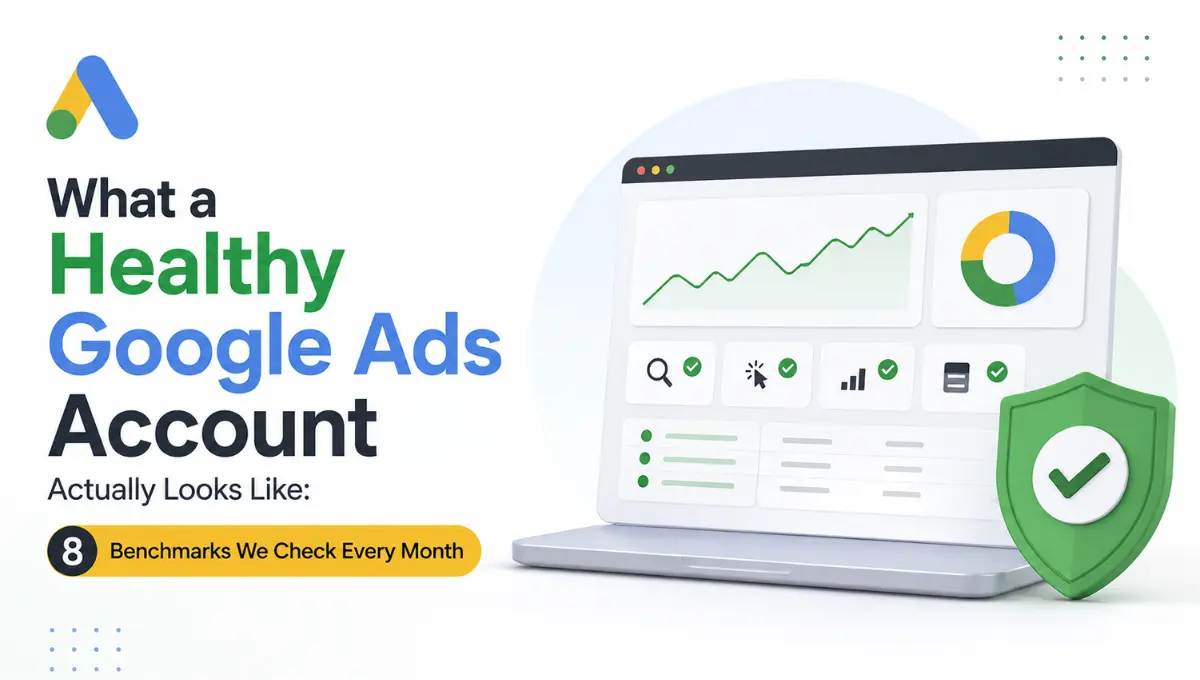
Q1. What is the most expensive online advertising mistake?

Ans. Audience targeting gone wrong, by a distance. A bad keyword wastes only the clicks it generates. Targeting the wrong people means every rupee goes to someone who was never going to buy. It doesn’t stop on its own. It runs until someone actually digs into who’s clicking and finds none of them were real prospects.

Q2. How often should campaigns be reviewed?

Ans. Every week for the first month without exception. After that, every two weeks at a minimum. The search terms report, audience performance breakdown, and creative fatigue all shift faster than a monthly review schedule can catch.

Q3. Does ad copy really change conversion rates that much?

Ans. The difference between two ads targeting the same audience with the same budget but different copy is regularly 200 to 400 percent in conversion rate. Copy is not a secondary consideration. It’s often the primary one.

Q4. How do I know if my conversion tracking is actually working?

Ans. Do a test conversion yourself. Check if it fires in real time inside your platform’s event manager. Then compare the conversion numbers from your ad platform against actual sales in your CRM every week. Consistent gaps between those two numbers mean something is broken in the tracking chain.

Some of the most expensive online advertising mistakes are sitting inside campaigns that look completely normal on the surface. Impressions coming in. Clicks happening. Budget spending cleanly. And underneath all of it, money going to the wrong people, for the wrong searches, tracked incorrectly, with copy that never had a chance.

Table of Contents

If you work with search engine marketing services or manage paid ads internally, this is where to look first.

1. Poor Audience Targeting

This mistake means paying for every click from people who were never going to buy. It doesn’t stay small. It scales with the budget.

A fitness brand running ads to everyone aged 18 to 65 interested in health is not targeting an audience. That’s broadcasting. Pull actual customer data. Who bought before? What age, location, device? Which pages did they visit before converting? Build lookalikes from real buyers on Meta, not from guesses about who might be interested. For B2B, LinkedIn’s job title and company size filters exist for a reason. Use them with behavioral data layered on top, not instead of it.

On Google, match types matter more in 2026 than most advertisers realise. Broad match without a solid negative keyword list shows ads for searches that have nothing to do with what you sell. Audience settings are not a one-time setup job. Review them every 30 days.

2. Wrong Keyword Selection

This is why campaigns look good in the dashboard and produce nothing in the bank account. Impressions up. Clicks up. Conversions flat.

Someone typing “how does retargeting work” is doing research. Someone typing “retargeting agency for ecommerce” is ready to talk to someone. Both live inside the same industry. Only one has buying intent. Bidding on both with the same budget treats research traffic like purchase traffic, and that’s where money disappears.

Good online advertising mistakes analysis starts with knowing which six areas drain the most money and in what order to fix them. Keyword intent is the first filter. Get it wrong here and everything downstream, the bids, the budget, the reporting, runs on bad inputs.

Negative keywords need to be built before the campaign launches, not discovered in the first week’s search terms report. “Free,” “DIY,” “how to,” and competitor names where you don’t want comparison traffic are the starting point, not the full list. Check the search terms report every week for the first month. What you think you’re targeting and what you’re actually showing for are different lists more often than not.

3. Lack of Conversion Tracking

No tracking means no real data. Every budget decision after that is a guess dressed up as a strategy.

The problem isn’t that advertisers skip tracking. It’s that they set it up wrong and never check whether it’s working. Page view is tracked instead of form submission. Most accounts have the tag firing on page load, not on actual form submission. Every false fire sits in your data as a real conversion, and you optimise against it without knowing. iOS 14 broke attribution in 2021 and most ad accounts still haven’t fixed it, which means Google Ads, Meta pixel, and GA4 are all showing different numbers, and none of them are complete.

Cross-reference them weekly against actual CRM data or backend sales numbers. If the numbers don’t match consistently, something in the tracking chain broke somewhere and you’re optimising campaigns based on wrong information.

4. Low Quality Ad Copy

This is what turns a perfectly targeted campaign into a money pit.

The pattern is almost always the same. The headline leads with the brand name. The body copy lists features. The language is vague. “High quality.” “Trusted.” “Industry-leading.” None of it means anything to someone who doesn’t already know you. And the person seeing your ad doesn’t know you yet.

In search, the headline has to match the intent behind the keyword. Someone searching for accounting software for a small business wants to see that reflected back, specifically, not a tagline that could apply to any software company on earth.

On social, the first two seconds are everything. A hook naming a specific problem the audience actually has, or a claim that catches them off guard, gets the read. A logo and a brand slogan does not. Run three different creative angles per ad set at a minimum. Pull the one that works and scale it. Replace the ones that don’t before they drain the budget.

FAQs

Q1. What is the most expensive online advertising mistake?

Ans. Audience targeting gone wrong, by a distance. A bad keyword wastes only the clicks it generates. Targeting the wrong people means every rupee goes to someone who was never going to buy. It doesn’t stop on its own. It runs until someone actually digs into who’s clicking and finds none of them were real prospects.

Q2. How often should campaigns be reviewed?

Ans. Every week for the first month without exception. After that, every two weeks at a minimum. The search terms report, audience performance breakdown, and creative fatigue all shift faster than a monthly review schedule can catch.

Q3. Does ad copy really change conversion rates that much?

Ans. The difference between two ads targeting the same audience with the same budget but different copy is regularly 200 to 400 percent in conversion rate. Copy is not a secondary consideration. It’s often the primary one.

Q4. How do I know if my conversion tracking is actually working?

Ans. Do a test conversion yourself. Check if it fires in real time inside your platform’s event manager. Then compare the conversion numbers from your ad platform against actual sales in your CRM every week. Consistent gaps between those two numbers mean something is broken in the tracking chain.

Request A Proposal

Our team will connect back with you within 24 hours.

Get In Touch