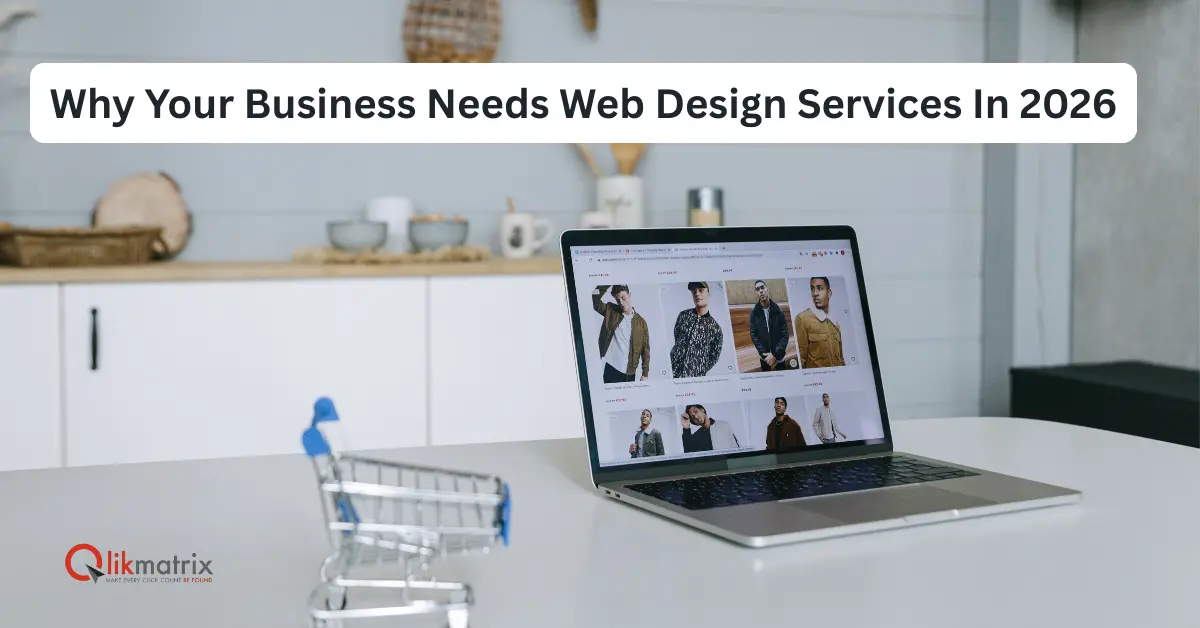
Why Your Business Needs Web Design Services in 2026

Web Design Services in 2026

Online spaces don’t work the way they used to. Websites that once looked aesthetic now started to feel slow, confusing, or outdated. Visitors leave instantly when pages take too long to load, layouts feel cluttered, or navigation feels forced. Trust drops fast when a site’s experience does not feel easy or secure.

This shift has made one thing clear. A website is no longer just a digital address. It has become the first place where people judge a business. In the coming year, expectations will rise even more. Clean structure, smart design, and smooth performance will not be optional anymore. This is where web design services begin to matter in a much deeper way.

Why 2026 Changes The Game?

The web is going through a quiet but powerful change. Businesses are no longer focused only on putting information online. The focus has moved toward how people experience a brand when they land on a website.

What stands out now is not flashy design alone. What matters is how easily users move through pages, how quickly content loads, and how naturally everything works across devices. The shift is clear:

  • Websites are becoming experience-driven
  • Design decisions are becoming strategic
  • Structure matters more than decoration

For teams offering web design & development services, this change means thinking beyond layouts. It means building systems that grow, adapt, and feel effortless to use. Websites in 2026 will not just talk. They will respond, guide, and support users at every step.

2026 Emerging Web Development Trends

The digital space is evolving. Several changes are shaping how modern websites are planned and made. These trends are influencing web designing services in 2026.

AI As A Production Partner

AI is no longer experimental. It has become a regular part of the development process.

  • Helps speed up routine tasks
  • Supports layout suggestions
  • Assists with testing and security checks

However, AI does not replace human thinking. Creativity, brand voice, and user understanding still come from people. The strongest results come when AI handles repetitive work, and humans guide decisions.

Experiences That Feel Personal And Natural

Users decide fast whether a site feels right. Key focus areas include:

  • Smooth transitions
  • Simple navigation
  • Clear interaction feedback

Accessibility is no longer optional. Sites built for everyone naturally reach more people and hold attention longer.

Progressive Web Apps And Offline Use

Websites are starting to behave more like apps.

  • Fast loading
  • Works even with weak connections
  • Can be saved on devices

This creates a trustworthy experience, specifically for users.

Accessible & Ethical Practices

Heavy websites consume more resources. Cleaner code and lighter assets would help you reduce load and enhance performance.

Ethical design also matters:

  • Clear consent
  • Honest messaging
  • No confusing tricks

Trust grows when a site feels responsible and transparent.

Modular And Headless Systems

Websites are becoming flexible systems. Benefits include:

  • Easier updates
  • Faster changes
  • Less downtime

This structure allows teams to update parts without disturbing the whole site.

Personalisation With Clear Consent

People want relevant content. At the same time, they want control. Modern personalisation focuses on:

  • Data users willingly share
  • Clear choices
  • Visible control options

This balance builds trust and improves engagement.

Security That Works Quietly

Security should protect without interrupting. Behind-the-scenes measures include:

  • Strong encryption
  • Regular updates
  • Continuous monitoring

Users should feel safe without feeling blocked.

10 Reasons Why Your Business Needs Web Design Services

1. Stay Ahead Of Market Trends

Digital trends change fast. Professional web design services help businesses stay current and relevant. Outdated sites push visitors away. Modern design keeps attention.

2. Tailor-Made Designs For Your Brand

Templates cannot tell a brand story. Custom designs:

  • Reflect identity
  • Match audience needs
  • Create stronger impressions

This is where a skilled web design & development agency adds value.

3. Improved Website Performance

Slow websites lose visitors quickly. Professional teams focus on:

  • Clean code
  • Faster load times
  • Smooth performance

Better speed enhances both user experience and visibility

4. Better User Experience (UX)

Design isn’t just about how it looks, but an exceptional UX would:-

  • Easy navigation
  • Clear structure
  • Faster access to information

Visitors stay longer when sites feel simple and logical.

5. SEO-Friendly Websites

A website must be found to matter. Professional web design & development services ensure:

  • Clean structure
  • Proper tags
  • Optimised images

This helps search engines understand and rank the site efficiently.

6. Adaptable Design Across Devices

People browse on many screens. Responsive design ensures:

  • Consistent experience
  • Easy reading
  • Smooth interaction

This widens reach and keeps users engaged.

7. Ongoing Support And Maintenance

Websites need care after launch. Support includes:

  • Fixing issues
  • Updating content
  • Improving features

This keeps the site reliable over time.

8. Security

Online threats are real. Professional developers add:

  • Secure practices
  • Regular updates
  • Protection layers

Secure sites earn trust faster.

9. Better Return On Investment

Good design supports growth. Well-built websites:

  • Attract visitors
  • Keep them engaged
  • Support conversions

Over time, this reduces the need for redesigns

10. Time And Resource Efficiency

Building a site takes effort. Outsourcing allows focus on:

  • Business operations
  • Customer service
  • Growth planning

Professionals deliver faster and better results.

How to Choose The Best Web Design Company?

Selecting the best partner matters as much as the design itself:

Professional Experience

A reliable team understands your:

  • Business requirements
  • User behavior
  • Design and development together

Extra skills in SEO and UX are a plus.

Check Their Portfolio

Past work shows real capability. Look for:

  • Clean design
  • Easy navigation
  • Practical features

This gives your business a clear idea of what to expect from a web design agency.

Read Customer Reviews

Feedback reveals consistency. Also observe:

  • How their own website performs
  • How clearly they communicate

Strong reviews often reflect strong service.

Consider Your Budget

Web design is an investment. Choose teams that:

  • Explain pricing clearly
  • Avoid hidden costs
  • Deliver quality that matches value

Too-cheap offers often compromise results.

Look For Ongoing Support

Support after launch is crucial. Ensure the service includes:

  • Regular updates
  • Technical help
  • Performance monitoring

This keeps the website healthy long term.

Conclusion

Websites in the coming year will carry more responsibility than ever before. They will introduce brands, guide users, build trust, and support business goals, all at once. Trusting outdated structures or quick fixes will only slow down the growth.

Selecting the best web design services means choosing clarity, performance, and long-term stability. The right web design & development agency, provides websites that become tools and work quietly but powerfully in the background, supporting your business from the back end.

Q1. What is the most expensive online advertising mistake?

Ans. Audience targeting gone wrong, by a distance. A bad keyword wastes only the clicks it generates. Targeting the wrong people means every rupee goes to someone who was never going to buy. It doesn’t stop on its own. It runs until someone actually digs into who’s clicking and finds none of them were real prospects.

Q2. How often should campaigns be reviewed?

Ans. Every week for the first month without exception. After that, every two weeks at a minimum. The search terms report, audience performance breakdown, and creative fatigue all shift faster than a monthly review schedule can catch.

Q3. Does ad copy really change conversion rates that much?

Ans. The difference between two ads targeting the same audience with the same budget but different copy is regularly 200 to 400 percent in conversion rate. Copy is not a secondary consideration. It’s often the primary one.

Q4. How do I know if my conversion tracking is actually working?

Ans. Do a test conversion yourself. Check if it fires in real time inside your platform’s event manager. Then compare the conversion numbers from your ad platform against actual sales in your CRM every week. Consistent gaps between those two numbers mean something is broken in the tracking chain.

Some of the most expensive online advertising mistakes are sitting inside campaigns that look completely normal on the surface. Impressions coming in. Clicks happening. Budget spending cleanly. And underneath all of it, money going to the wrong people, for the wrong searches, tracked incorrectly, with copy that never had a chance.

Table of Contents

If you work with search engine marketing services or manage paid ads internally, this is where to look first.

1. Poor Audience Targeting

This mistake means paying for every click from people who were never going to buy. It doesn’t stay small. It scales with the budget.

A fitness brand running ads to everyone aged 18 to 65 interested in health is not targeting an audience. That’s broadcasting. Pull actual customer data. Who bought before? What age, location, device? Which pages did they visit before converting? Build lookalikes from real buyers on Meta, not from guesses about who might be interested. For B2B, LinkedIn’s job title and company size filters exist for a reason. Use them with behavioral data layered on top, not instead of it.

On Google, match types matter more in 2026 than most advertisers realise. Broad match without a solid negative keyword list shows ads for searches that have nothing to do with what you sell. Audience settings are not a one-time setup job. Review them every 30 days.

2. Wrong Keyword Selection

This is why campaigns look good in the dashboard and produce nothing in the bank account. Impressions up. Clicks up. Conversions flat.

Someone typing “how does retargeting work” is doing research. Someone typing “retargeting agency for ecommerce” is ready to talk to someone. Both live inside the same industry. Only one has buying intent. Bidding on both with the same budget treats research traffic like purchase traffic, and that’s where money disappears.

Good online advertising mistakes analysis starts with knowing which six areas drain the most money and in what order to fix them. Keyword intent is the first filter. Get it wrong here and everything downstream, the bids, the budget, the reporting, runs on bad inputs.

Negative keywords need to be built before the campaign launches, not discovered in the first week’s search terms report. “Free,” “DIY,” “how to,” and competitor names where you don’t want comparison traffic are the starting point, not the full list. Check the search terms report every week for the first month. What you think you’re targeting and what you’re actually showing for are different lists more often than not.

3. Lack of Conversion Tracking

No tracking means no real data. Every budget decision after that is a guess dressed up as a strategy.

The problem isn’t that advertisers skip tracking. It’s that they set it up wrong and never check whether it’s working. Page view is tracked instead of form submission. Most accounts have the tag firing on page load, not on actual form submission. Every false fire sits in your data as a real conversion, and you optimise against it without knowing. iOS 14 broke attribution in 2021 and most ad accounts still haven’t fixed it, which means Google Ads, Meta pixel, and GA4 are all showing different numbers, and none of them are complete.

Cross-reference them weekly against actual CRM data or backend sales numbers. If the numbers don’t match consistently, something in the tracking chain broke somewhere and you’re optimising campaigns based on wrong information.

4. Low Quality Ad Copy

This is what turns a perfectly targeted campaign into a money pit.

The pattern is almost always the same. The headline leads with the brand name. The body copy lists features. The language is vague. “High quality.” “Trusted.” “Industry-leading.” None of it means anything to someone who doesn’t already know you. And the person seeing your ad doesn’t know you yet.

In search, the headline has to match the intent behind the keyword. Someone searching for accounting software for a small business wants to see that reflected back, specifically, not a tagline that could apply to any software company on earth.

On social, the first two seconds are everything. A hook naming a specific problem the audience actually has, or a claim that catches them off guard, gets the read. A logo and a brand slogan does not. Run three different creative angles per ad set at a minimum. Pull the one that works and scale it. Replace the ones that don’t before they drain the budget.

FAQs

Q1. What is the most expensive online advertising mistake?

Ans. Audience targeting gone wrong, by a distance. A bad keyword wastes only the clicks it generates. Targeting the wrong people means every rupee goes to someone who was never going to buy. It doesn’t stop on its own. It runs until someone actually digs into who’s clicking and finds none of them were real prospects.

Q2. How often should campaigns be reviewed?

Ans. Every week for the first month without exception. After that, every two weeks at a minimum. The search terms report, audience performance breakdown, and creative fatigue all shift faster than a monthly review schedule can catch.

Q3. Does ad copy really change conversion rates that much?

Ans. The difference between two ads targeting the same audience with the same budget but different copy is regularly 200 to 400 percent in conversion rate. Copy is not a secondary consideration. It’s often the primary one.

Q4. How do I know if my conversion tracking is actually working?

Ans. Do a test conversion yourself. Check if it fires in real time inside your platform’s event manager. Then compare the conversion numbers from your ad platform against actual sales in your CRM every week. Consistent gaps between those two numbers mean something is broken in the tracking chain.

Request A Proposal

Our team will connect back with you within 24 hours.

Get In Touch