Keyword shows zero search volume, should I target it? Honestly, more often than people think. Zero only tells you the tool never caught anyone typing that exact phrase into Google. Doesn’t mean nobody asks it. And the stuff buyers ask right before hiring someone? Long, wordy, very specific, and these days loads of it gets typed into ChatGPT or Gemini.
We’ve all sat through it. Someone dumps a list of blog ideas into a keyword tool, half of them come back zero, and out they go. Binned. No discussion, because apparently the tool has spoken.
Shame, that. Some of those zeros are the very questions people ask on the call where they actually sign.
Here’s the bit people forget. These tools count Google searches, estimated from samples. That’s it. They’ve got no idea what someone typed into ChatGPT at 11pm, chai going cold, trying to choose between three agencies. So “zero” really means “didn’t see it”. Not “nobody cares”. Big difference.
Keep the tools, by all means. They’re just not the boss of your content plan.
Should I Write Content for Keywords with Zero Search Volume?
If real buyers ask it and it sits near a buying decision, go for it. Zero just means the tool didn’t log it. A random phrase nobody’s ever said to you? Skip. Something your sales team hears every Monday without fail? Write it, whatever the tool says.
Not a goldmine, mind. Ahrefs poked at this in their zero-volume study and most low and zero-volume keywords get roughly what the tools guess. Irritatingly accurate, those things.
But. Same article, there’s a twist. Pages never rank for just one phrase, they rank for heaps of them. Their example showed 10 searches a month, yet the guide on that topic picked up an estimated 3,800 monthly visits from all the variations floating around it. So that lonely “zero” question? Often just the tip of something bigger.
Why Don’t Keyword Tools Show What People Ask Chatgpt?
Because they’re built on Google data, and a prompt isn’t a Google search. People type prompts the way they’d text a friend, long, messy, loads of backstory. Nobody hands out volume numbers for ChatGPT, Gemini or Perplexity, so your keyword tool simply can’t see those questions. At all.
How big’s the gap? Semrush went through over a billion lines of US clickstream data for its ChatGPT search study. For most of that stretch, somewhere between 65 and 85 percent of prompts didn’t line up with any normal search keyword. Even the search-type prompts averaged 8.7 words by early 2026. That’s not a keyword. That’s a paragraph.
Same buyer, two moods. Google gets “CRM for small business”. ChatGPT gets “we’re a 12-person real estate team in Dubai, half our leads come in on WhatsApp, which CRM won’t make my agents quit?” Your keyword tool sees the first one. The second one, the one with all the buying signals in it, is invisible.
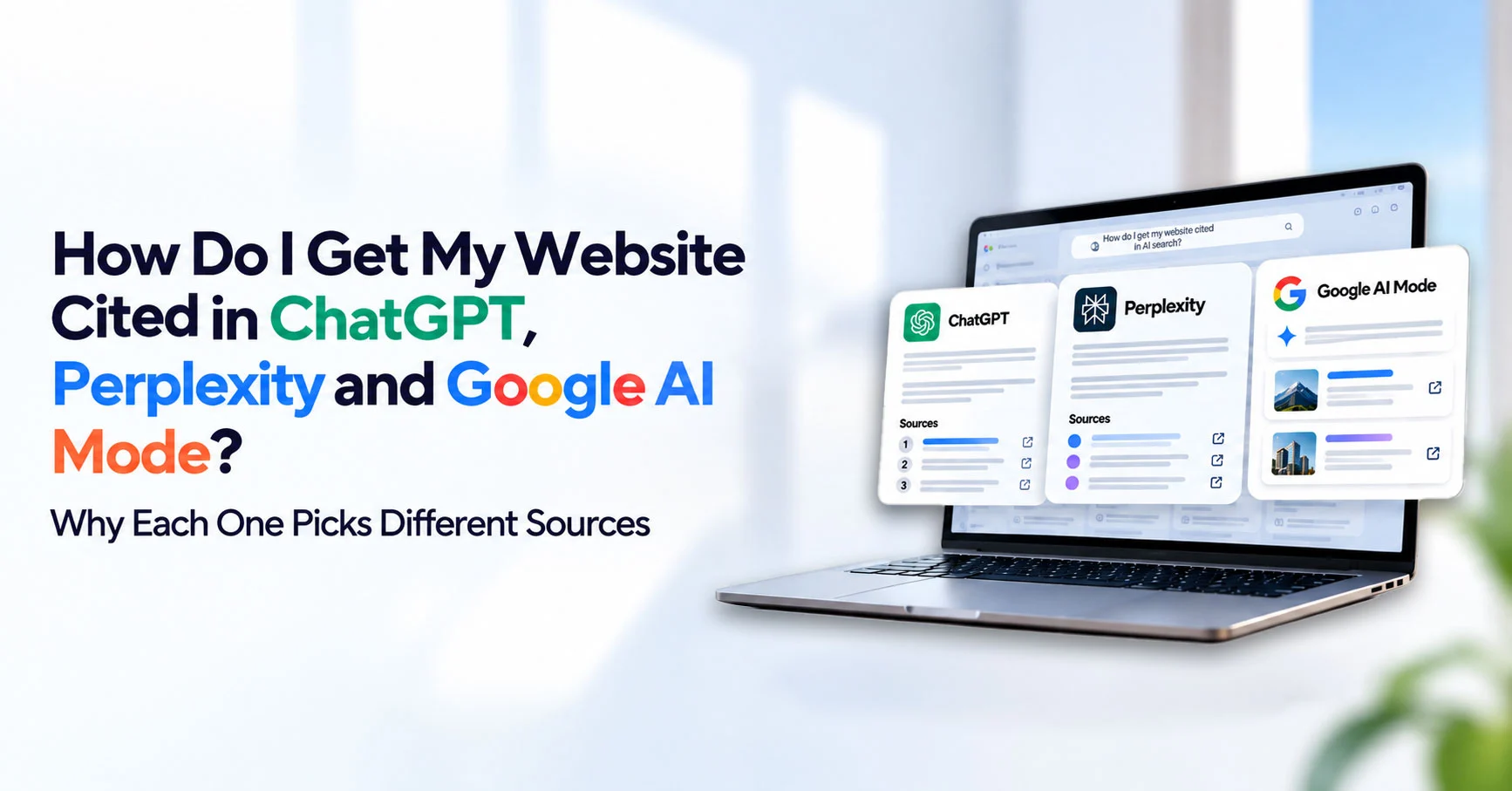
Google’s heading the same way. Its guidance on AI features says AI Overviews and AI Mode may use something called “query fan-out”, meaning a bunch of related searches across subtopics at once. The AI chops your long question into bits and goes hunting for pages that answer each bit. So keyword research for AI search has to cover the follow-up questions as well, not only the headline one.
Where Do I Find the Real Questions My Buyers Ask?
Honestly? The people who already talk to buyers all day. Your sales lot’s call notes. The support inbox. Old proposal emails. That WhatsApp group nobody’s allowed to leave. Once you’ve squeezed those, go poke around People Also Ask, Reddit and Quora, and if you’ve got an AI visibility tool, check which prompts competitors already turn up for.
Start inside the building. Walk over to sales (or ping them, fine) and ask for the five questions they’re sick of answering. Bet you that list beats a week of tool exports. Then raid support. What confuses people after paying is what you should’ve explained before.
Then go outside. People Also Ask boxes. Reddit threads where somebody’s having a proper rant about the exact problem you fix, weirdly brilliant for this. Quora, if your crowd’s a bit older or more B2B. And try typing your buyers’ questions into ChatGPT and Perplexity yourself. Look at the follow-ups they suggest. Free keyword research for AI search, near enough.
When we rebuilt keyword research for our own blog, the biggest change was not the tools. It was where the questions came from. The best topics came from what clients ask on discovery calls, and most of those questions show almost no volume in keyword tools. A typical one sounds like “can we run Google Ads for our clinic if the website is still being rebuilt?” Every keyword tool shows nothing for it, yet it’s exactly the question a ready-to-buy client asks in the first ten minutes of a call.
— Vishal Singh, Performance Marketing Specialist
Are Keywords Still Important for SEO in 2026?
Yep, just not on their own anymore. Want to size commercial demand, catch seasonal swings or find gaps against a competitor? Keyword tools are still your best bet. They just can’t hear conversational questions or AI prompts, so they’re one input now, not the entire plan.
What we’ve stopped doing is planning a whole content calendar off one volume column. You know what happens if you do? You write the same twenty posts as every competitor looking at the same tool. Plan from buyer questions and you end up writing stuff nobody else bothered with. Which, funnily enough, is also stuff AI tools have hardly any sources for.
How Do I Group Many Questions into One Page?
Don’t make ten pages. Make one. Find the big question a buyer starts with, put it at the top, and then just keep going with whatever they’d ask after that, each one getting its own little heading and a straight answer. In our experience one meaty page outdoes a stack of thin ones nearly every time.
Try “how much does a dental clinic website cost?” The follow-ups come out on their own. Is online booking included? Who hosts it? How long till it’s live? Can I change my prices myself or do I need to email someone every single time? And the awkward one nobody likes asking out loud, what happens to my site if I leave you?
Give each one a heading and a couple of plain sentences. Needs more? Add more. Doesn’t? Stop there. Google likes pulling snippets from that, and AI tools quote it happily.
So my keyword shows zero search volume, should I target it or not?
Three questions to ask yourself first.
Does an actual buyer ask it? If sales or support have heard it more than once, that’s worth more than any number a tool spits out. Is it near a decision? Price, comparisons, timelines, “can you do this for us”, those usually crop up just before someone gets in touch. Which service page does it feed? Every topic page ought to link up to something that sells, or you’re just collecting visitors like stamps.
Then measure it properly. Rankings, yes. But also check if AI tools start citing the page, and if branded searches creep up over the next few months. Any decent search engine optimization services team should be watching all three. And if you’re shopping around for the best search engine optimization services, ask them where their topic ideas come from. If the whole answer is “the tool”… hmm.
Questions We Get Asked About Keyword Research for AI Search
Q1. Can I see search volume for ChatGPT prompts?
Ans. Not really, no. That data isn’t public. A few AI visibility tools will show which prompts mention your brand, but any “prompt volume” number you see is a guess.
Q2. Do I need a separate strategy for keyword research for AI search?
Ans. Not separate. Wider. Keep doing your normal keyword research and stack buyer questions, follow-ups and a bit of prompt testing on top.
Q3. Will pages built around zero-volume questions get any traffic?
Ans. Some won’t, on their own, and that’s fine. But the page tends to pick up a long tail of odd little searches over time, AI tools can quote it, and your sales team gets a link to send when a prospect asks that exact thing. A high-volume post nobody buys from does none of that.
Written by Vishal Singh, Performance Marketing Specialist
I plan content for brands across SEO and AI search, and “but it shows zero volume” turns up in nearly every planning call. Funny thing is, the best idea on the list is usually the one the tool ignored.
If you want help finding the questions your buyers are really asking, take a look at our search engine optimization services.