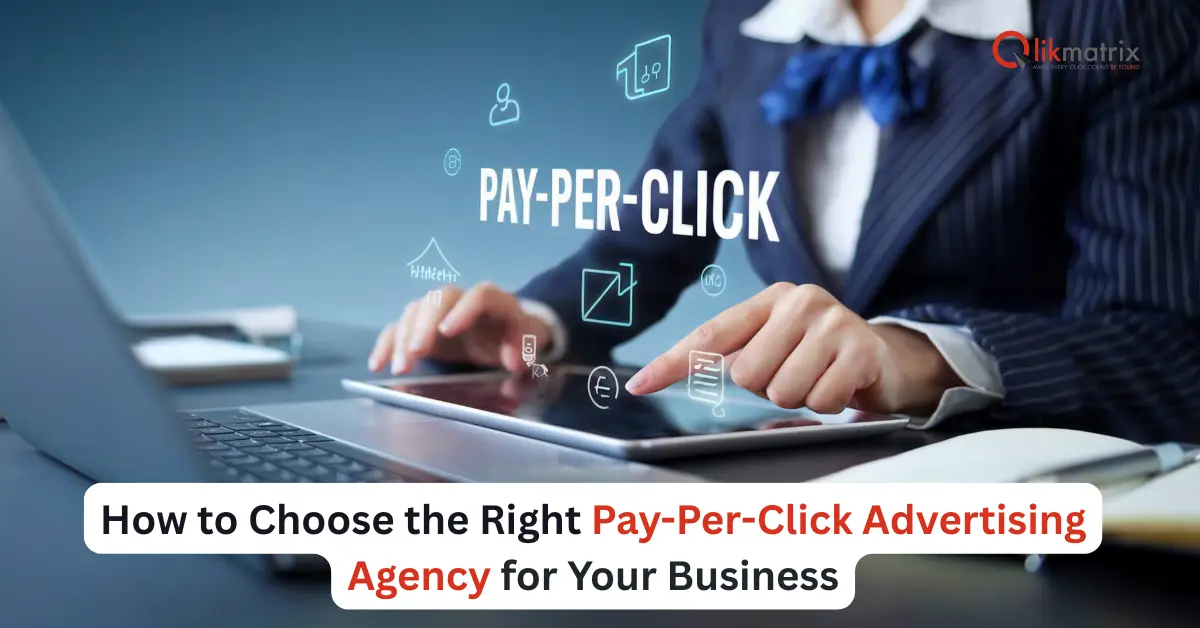
How to Choose the Right Pay-Per-Click Advertising Agency for Your Business

Right Pay-Per-Click Advertising Agency

Pay-Per-Click advertising can help any business show up in front of the right audience at the right time. But success depends on choosing the right partner. Many brands invest in PPC, yet only a few see real results. One big reason is simple: their campaign is handled by the wrong team, or they try to manage it alone.

If you want to grow fast, save money, and improve conversion rates, the right Pay-Per-Click advertising agency can make all the difference. In this blog, let’s break down how to choose the agency that will guide your campaigns with confidence.

Before we go deeper, remember this: selecting a PPC partner is not just about ads. It’s about trust, goals, teamwork, & long-term success.

Why Picking the Best PPC Agency Matters?

PPC is effective because it delivers traffic right away, and has results that can be measured. But running a successful campaign requires strategy, skill, and constant optimisation.

A solid Pay-Per-Click advertising agency knows search intent, audience behaviour, key planning & bidding strategy. They combine data, creativity and testing to ensure your ad budget works hard.

Finding a good partner saves you time, reduces mistakes, and improves return on investment. The wrong agency can waste money.

Now let’s look at how to make the right choice.

1. Set Clear Business Goals First

Before choosing an agency, define what you want from PPC.

It could be:

  • Website traffic
  • Leads
  • Phone calls
  • Brand visibility
  • Sales

Clarity helps you match your goals with the agency’s strengths.

For example, if generating leads is your priority, go with an experienced high-conversion lander page. If the goal is branding, consider agencies with a reputation for smart ad creatives and display ads.

Once goals are set, it becomes easier to evaluate agencies based on results, not promises. Next, you must look at real experience.

2. Check Industry Experience and Knowledge

Not every agency works well with every industry. Some specialise in real estate, some in healthcare, others in ecommerce. Choose a partner who understands your audience and market. Look for case studies. Ask whether their experience was with similar businesses.

Experience in the industry means better keywords to market for, stronger messaging and more relevant landing pages. If a company understands your customers, they will get what makes them click and convert. Once you have checked out their experience, take a little more time & examine the range of services offered.

3. Explore Service Capabilities

A good PPC agency offers more than just ad setup. They should provide:

  • Keyword research
  • Landing page analysis
  • Ad copy testing
  • Bid management
  • Conversion tracking
  • Competitor insights
  • Monthly reports
  • Strategy updates

If an agency only focuses on ads and ignores user behaviour or landing page quality, results will suffer.

Some providers propose a full package such as SEO, social ads, and remarketing. If you’re looking to scale, pick a firm that is conducive to long-term growth. Once you know their services align with your needs, it’s time to check transparency and reporting.

4. Demand Clear Reporting and Communication

You should never feel lost about what’s happening in your campaign.

Ask how they report performance.

Good reports show:

  • Cost per click
  • Click-through rates
  • Conversion rates
  • Total spend
  • Return on ad spend

If communication feels slow before you sign, it will be worse later. The best agency would work like a partner, not just an agency. Once communication is solid, you can discover the tools that they use.

5. Check Their Tools & Technology

The best agencies use tools like:

  • Google Analytics
  • Keyword planners
  • Tracking dashboards
  • Heatmaps
  • CRM integrations

Tools help avoid guesswork. They show real behaviour and performance patterns.

Advanced tools can speed up your decisions, monitor trends, and reduce wasted ad spend. If an agency works without data tools, it can lead to wrong decisions. Now that you understand tools, the next step is to look at pricing.

6. Compare Pricing Models

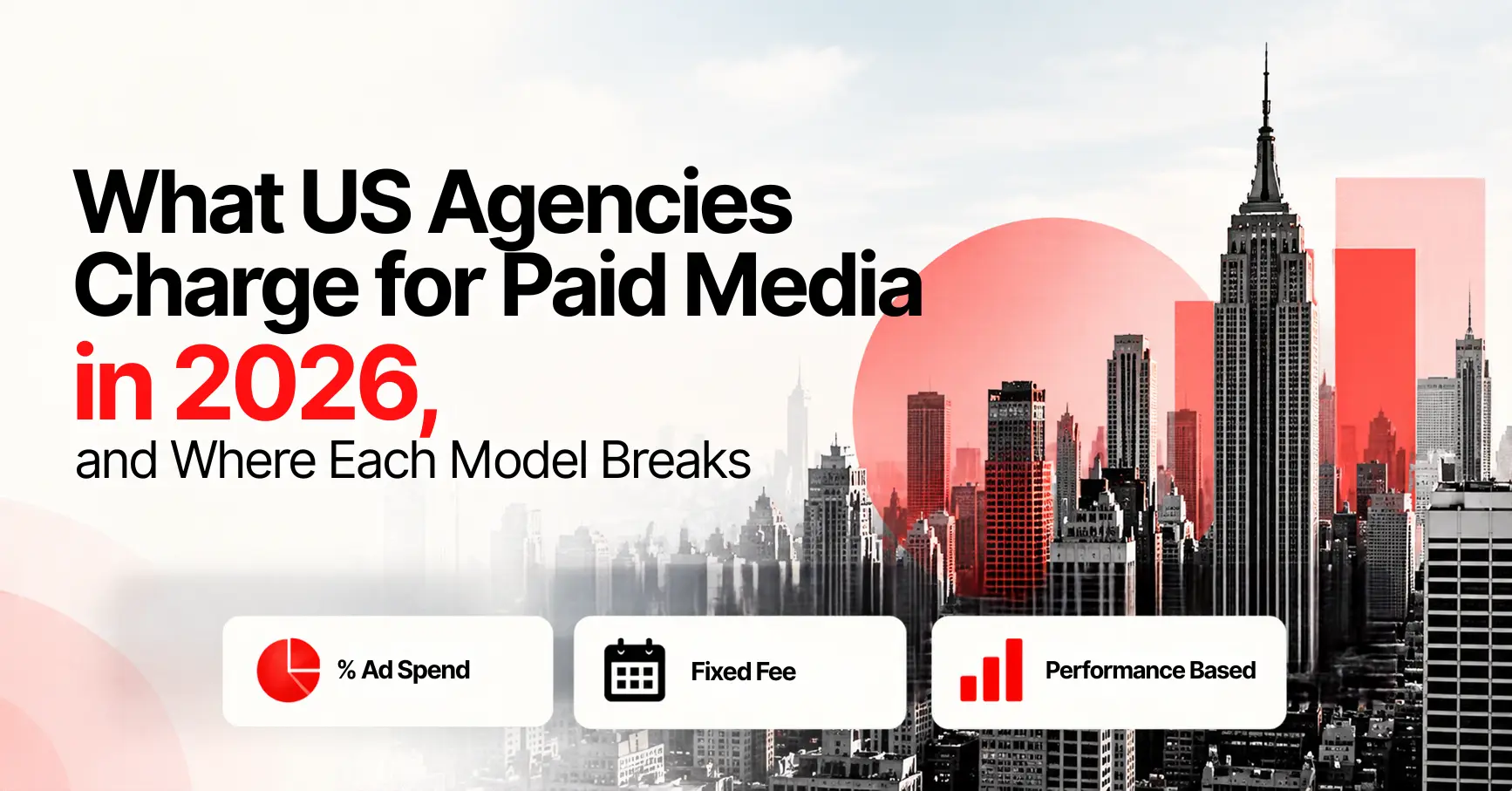
Agencies charge differently:

  • Flat monthly fees
  • Percentage of ad spend
  • Performance based

The cheapest option is rarely the best. Low prices may mean rushed campaigns, generic ads, and limited support. Your focus should be value, not cost. If the agency can generate profit, the fee becomes worthwhile.

Once pricing is clear, explore reviews, ratings, and success stories.

7. Review Client Testimonials & Results

Look for real examples.

  • Case studies
  • Success numbers
  • Video testimonials
  • Google reviews

If you find past clients in similar industries praising results, that’s a strong sign. Also check how long clients stay with them. Long partnerships show reliability.

When you combine testimonials with performance data, the final decision becomes easier.

What Makes a PPC Agency Worth Choosing?

An excellent partner offers strategy, not just execution.

They listen, learn, and adjust constantly.
They focus on conversions, not just clicks.
They save you time and effort.

This is how professional agencies stand apart from generic ones.

Look for Specialists, Not Generalists

A true Pay-Per-Click agency specialises in delivering measurable traffic and leads. They understand search engines deeply and track conversion paths from first click to final sale.

Their job isn’t only to run ads, but to improve the overall marketing funnel.

This is why many businesses prefer to work with providers who offer the best PPC advertising services. Expertise speeds up results and reduces wasted spend.

The right partner combines smart targeting, creative messaging, and strong optimisation.

How to Spot the Best Agencies in the Market?

Not all agencies run ads with the same level of care. If you want strong outcomes, look for the best Pay-Per-Click advertising agency in terms of strategic thinking, planning, and reporting.

Also, check if they offer related support, such as the best search engine marketing services. Integrated marketing can grow your visibility faster.

The right agency improves search ranking, brand reach, and conversion volume together.

Final Tips Before You Decide

Ask yourself:

  • Do you trust them?
  • Do they understand your business?
  • Do they focus on results, not impressions?
  • Do they track conversions properly?

The right decision isn’t about who sounds impressive. It’s about who performs.

Conclusion

Choosing the right Pay-Per-Click advertising agency can transform your business. With expert support, you’ll avoid costly mistakes & maximise every campaign. A strong partner will help you target the right audience, increase lead quality, and scale results without waste.

Take your time. Do research. Ask questions. Check performance. Compare experience.

The right agency will make PPC simple, profitable, and stress-free. And when that happens, your advertising spend becomes more than a cost, it becomes an investment that keeps growing.
Q1. What is the most expensive online advertising mistake?

Ans. Audience targeting gone wrong, by a distance. A bad keyword wastes only the clicks it generates. Targeting the wrong people means every rupee goes to someone who was never going to buy. It doesn’t stop on its own. It runs until someone actually digs into who’s clicking and finds none of them were real prospects.

Q2. How often should campaigns be reviewed?

Ans. Every week for the first month without exception. After that, every two weeks at a minimum. The search terms report, audience performance breakdown, and creative fatigue all shift faster than a monthly review schedule can catch.

Q3. Does ad copy really change conversion rates that much?

Ans. The difference between two ads targeting the same audience with the same budget but different copy is regularly 200 to 400 percent in conversion rate. Copy is not a secondary consideration. It’s often the primary one.

Q4. How do I know if my conversion tracking is actually working?

Ans. Do a test conversion yourself. Check if it fires in real time inside your platform’s event manager. Then compare the conversion numbers from your ad platform against actual sales in your CRM every week. Consistent gaps between those two numbers mean something is broken in the tracking chain.

Some of the most expensive online advertising mistakes are sitting inside campaigns that look completely normal on the surface. Impressions coming in. Clicks happening. Budget spending cleanly. And underneath all of it, money going to the wrong people, for the wrong searches, tracked incorrectly, with copy that never had a chance.

Table of Contents

If you work with search engine marketing services or manage paid ads internally, this is where to look first.

1. Poor Audience Targeting

This mistake means paying for every click from people who were never going to buy. It doesn’t stay small. It scales with the budget.

A fitness brand running ads to everyone aged 18 to 65 interested in health is not targeting an audience. That’s broadcasting. Pull actual customer data. Who bought before? What age, location, device? Which pages did they visit before converting? Build lookalikes from real buyers on Meta, not from guesses about who might be interested. For B2B, LinkedIn’s job title and company size filters exist for a reason. Use them with behavioral data layered on top, not instead of it.

On Google, match types matter more in 2026 than most advertisers realise. Broad match without a solid negative keyword list shows ads for searches that have nothing to do with what you sell. Audience settings are not a one-time setup job. Review them every 30 days.

2. Wrong Keyword Selection

This is why campaigns look good in the dashboard and produce nothing in the bank account. Impressions up. Clicks up. Conversions flat.

Someone typing “how does retargeting work” is doing research. Someone typing “retargeting agency for ecommerce” is ready to talk to someone. Both live inside the same industry. Only one has buying intent. Bidding on both with the same budget treats research traffic like purchase traffic, and that’s where money disappears.

Good online advertising mistakes analysis starts with knowing which six areas drain the most money and in what order to fix them. Keyword intent is the first filter. Get it wrong here and everything downstream, the bids, the budget, the reporting, runs on bad inputs.

Negative keywords need to be built before the campaign launches, not discovered in the first week’s search terms report. “Free,” “DIY,” “how to,” and competitor names where you don’t want comparison traffic are the starting point, not the full list. Check the search terms report every week for the first month. What you think you’re targeting and what you’re actually showing for are different lists more often than not.

3. Lack of Conversion Tracking

No tracking means no real data. Every budget decision after that is a guess dressed up as a strategy.

The problem isn’t that advertisers skip tracking. It’s that they set it up wrong and never check whether it’s working. Page view is tracked instead of form submission. Most accounts have the tag firing on page load, not on actual form submission. Every false fire sits in your data as a real conversion, and you optimise against it without knowing. iOS 14 broke attribution in 2021 and most ad accounts still haven’t fixed it, which means Google Ads, Meta pixel, and GA4 are all showing different numbers, and none of them are complete.

Cross-reference them weekly against actual CRM data or backend sales numbers. If the numbers don’t match consistently, something in the tracking chain broke somewhere and you’re optimising campaigns based on wrong information.

4. Low Quality Ad Copy

This is what turns a perfectly targeted campaign into a money pit.

The pattern is almost always the same. The headline leads with the brand name. The body copy lists features. The language is vague. “High quality.” “Trusted.” “Industry-leading.” None of it means anything to someone who doesn’t already know you. And the person seeing your ad doesn’t know you yet.

In search, the headline has to match the intent behind the keyword. Someone searching for accounting software for a small business wants to see that reflected back, specifically, not a tagline that could apply to any software company on earth.

On social, the first two seconds are everything. A hook naming a specific problem the audience actually has, or a claim that catches them off guard, gets the read. A logo and a brand slogan does not. Run three different creative angles per ad set at a minimum. Pull the one that works and scale it. Replace the ones that don’t before they drain the budget.

FAQs

Q1. What is the most expensive online advertising mistake?

Ans. Audience targeting gone wrong, by a distance. A bad keyword wastes only the clicks it generates. Targeting the wrong people means every rupee goes to someone who was never going to buy. It doesn’t stop on its own. It runs until someone actually digs into who’s clicking and finds none of them were real prospects.

Q2. How often should campaigns be reviewed?

Ans. Every week for the first month without exception. After that, every two weeks at a minimum. The search terms report, audience performance breakdown, and creative fatigue all shift faster than a monthly review schedule can catch.

Q3. Does ad copy really change conversion rates that much?

Ans. The difference between two ads targeting the same audience with the same budget but different copy is regularly 200 to 400 percent in conversion rate. Copy is not a secondary consideration. It’s often the primary one.

Q4. How do I know if my conversion tracking is actually working?

Ans. Do a test conversion yourself. Check if it fires in real time inside your platform’s event manager. Then compare the conversion numbers from your ad platform against actual sales in your CRM every week. Consistent gaps between those two numbers mean something is broken in the tracking chain.

Request A Proposal

Our team will connect back with you within 24 hours.

Get In Touch