
Online visibility often feels confusing. Pages get published, ads get launched, and keywords get added, yet results remain unclear. Traffic comes and goes, clicks happen, but the direction feels missing. This gap usually appears when decisions are made without clarity. Guesswork replaces insight, and effort loses focus.
Table of Contents
Search marketing changed when data entered the picture. Instead of assuming what works, marketers began reading patterns, understanding behavior, and adjusting actions based on real signals. That shift shaped how the best search engine marketing services work today, quietly guided by numbers, trends, and user intent rather than hope.
This blog explains how data plays a role in search engine marketing, how it supports better decisions, and why it matters for long-term visibility & trust.
Understanding Search Engine Marketing
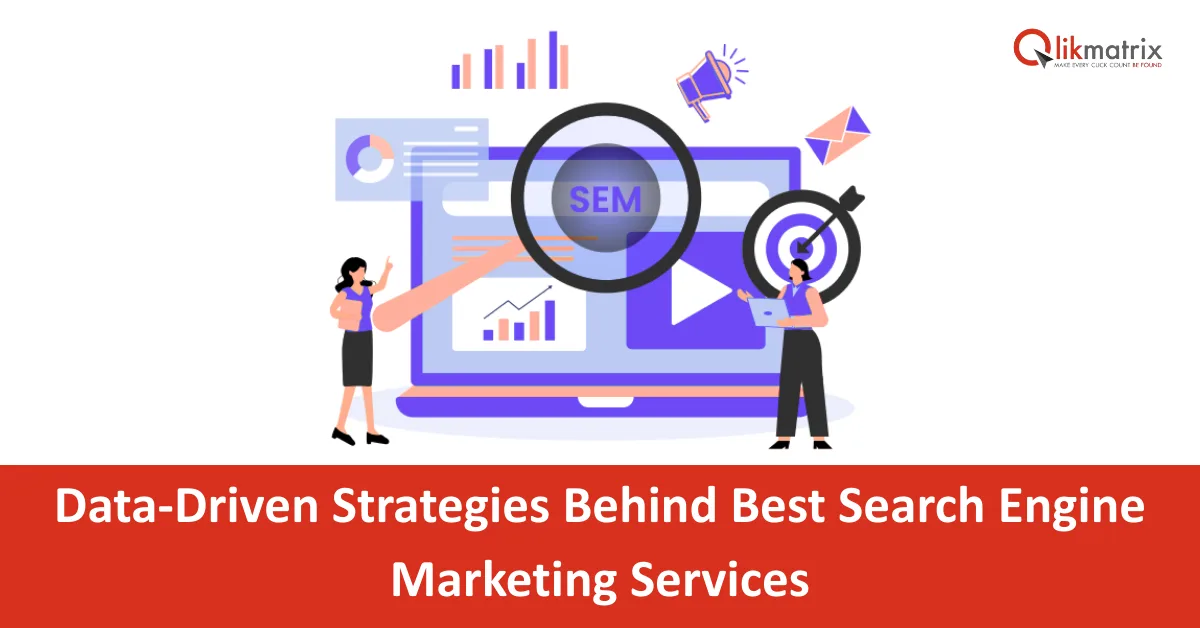
Search engine marketing focuses on improving a brand’s presence on search engine result pages. The goal is simple: appear when people actively search for related services.
SEM combines two strong approaches:
Search engine optimization that builds long-term visibility
Paid advertising that delivers faster reach
Together, these methods help brands stay visible and relevant. Strong SEM marketing solutions do more than attract clicks. They guide users, answer questions, and build confidence throughout the search journey.
Instead of only pushing promotions, SEM supports learning and discovery. When done right, it positions a brand as helpful and reliable rather than loud.
Power of Data in Modern SEO
SEO once relied on repeating keywords and hoping pages would rank. That approach faded as search engines grew smarter. Today, decisions depend on understanding real behavior.
Data shows:
- What people search for
- How they move through pages
- Where interest drops
- Which content keeps attention
This insight shapes digital marketing services that feel relevant and useful. Content becomes clearer. Navigation improves. Pages load with purpose. Modern SEO succeeds because data removes assumptions. It replaces guesswork with direction and brings focus to what users truly want.
Shift to Data-Driven SEO
Data-driven SEO means letting evidence guide action. Instead of following trends blindly, choices come from analysis and observation.
This shift helps in:
- Selecting topics that match search intent
- Improving pages that already perform well
- Fixing weak areas before they hurt visibility
Using analytics turns SEO into a structured process. Campaigns become easier to measure, and progress becomes visible. Over time, this supports advanced PPC strategies by aligning paid and organic efforts under one direction.
Why Data Matters in SEO?
Data forms the backbone of SEO because it shows what truly works.
It helps understand:
- Audience behaviour: Pages visited, time spent, and actions taken reveal interest levels.
- Search intent: Queries explain what users expect to find.
- Content performance: Strong pages stand out. Weak pages show where improvement is needed.
By reading these signals, marketers refine decisions. Campaign performance analytics allows teams to improve step by step instead of making sudden changes without clarity.
The Role of Data in SEO
Data supports SEO in several important ways:
- Precision targeting – Relevant topics and keywords become easier to identify
- Performance measurement – Results are tracked clearly, showing what delivers value
- Trend awareness – The shifts in search behaviour appear early, which allows a fast response
- Competitor insight – Understanding how others perform reveals gaps and opportunities
This approach strengthens the keyword bidding strategy by aligning paid bids with real search behaviour rather than assumptions.
Some Essential Tools for Data-Driven SEO
Strong data-driven SEO depends on the right tools . Each tool plays a different role in understanding performance .
Google Analytics
This tool explains how users interact with a website.
Key uses include:
- Tracking traffic sources
- Understanding navigation paths
- Measuring goal completion
Insights from Google Analytics guide better content structure and user flow.
Google Search Console
Search Console depicts how a site appears in search results. It helps with :
- Identifying search queries
- Monitoring indexing status
- Fixing mobile usability issues
These insights support cleaner, more visible pages.
SEMrush
SEMrush supports deeper research and comparison.
Main functions include:
- Keyword discovery
- Competitor review
- Site health checks
This tool strengthens planning for the best search engine marketing services by showing where focus should remain.
Ahrefs
Ahrefs focuses on link and keyword insights. Key benefits:
- Backlink review
- Keyword tracking
- Overall site performance view
Link quality and topic relevance become easier to manage.
Moz
Moz offers tools for on-page and link analysis. Useful features include:
- Keyword prioritisation
- Link profile review
- Page improvement suggestions
These tools help in right SEO decisions across content & structure.
Step-by-Step Data-Driven SEO Strategy
A structured method helps to achieve SEO consistently and effectively .
1. Conduct Keyword Research
Start with keywords that match real intent.
- Use tools like SEMrush
- Focus on relevance over volume
- Align keywords with the content’s purpose
This approach supports a smarter keyword bidding strategy and content planning.
2. Analyse the Competitive Landscape
Understanding competitors helps to know the gaps :
- Review their keyword focus
- Observe content strengths
- Note backlink patterns
This step reveals opportunities that may otherwise remain hidden.
3. Optimise On-Page SEO
Strong pages align content with intent. Key actions include:
- Improving content clarity
- Matching topics to the search purpose
- Ensuring technical health
Regular checks keep pages reliable and user-friendly.
4. Enhance Content Through Data
Content improves when data guides updates.
- Identify missing topics
- Improve underperforming pages
- Add clarity where users disengage
This method builds trust and authority over time.
5. Leverage Data for Link Building
Links matter, but quality matters more. Focus on:
- Relevant sources
- Ethical outreach
- Content-aligned links
This supports long-term credibility.
6. Monitor and Adapt
SEO never stays static.
- Track performance regularly
- Observe engagement changes
- Adjust based on behaviour
Strong campaign performance analytics ensures decisions remain grounded and timely.
Final Thoughts
Search marketing works when clarity replaces confusion. Data provides that clarity. It shows what matters, where focus belongs, and how improvement happens step by step. When insights guide action, marketing efforts feel purposeful rather than reactive.
QlikMatrix approaches search and digital growth with this mindset. The focus stays on real behaviour, meaningful connections, and steady improvement. By blending creativity with analytics, campaigns grow stronger, clearer, and more reliable over time, supporting businesses in building trust that lasts beyond clicks.