What is The Role of Influencer Marketing in 2025?

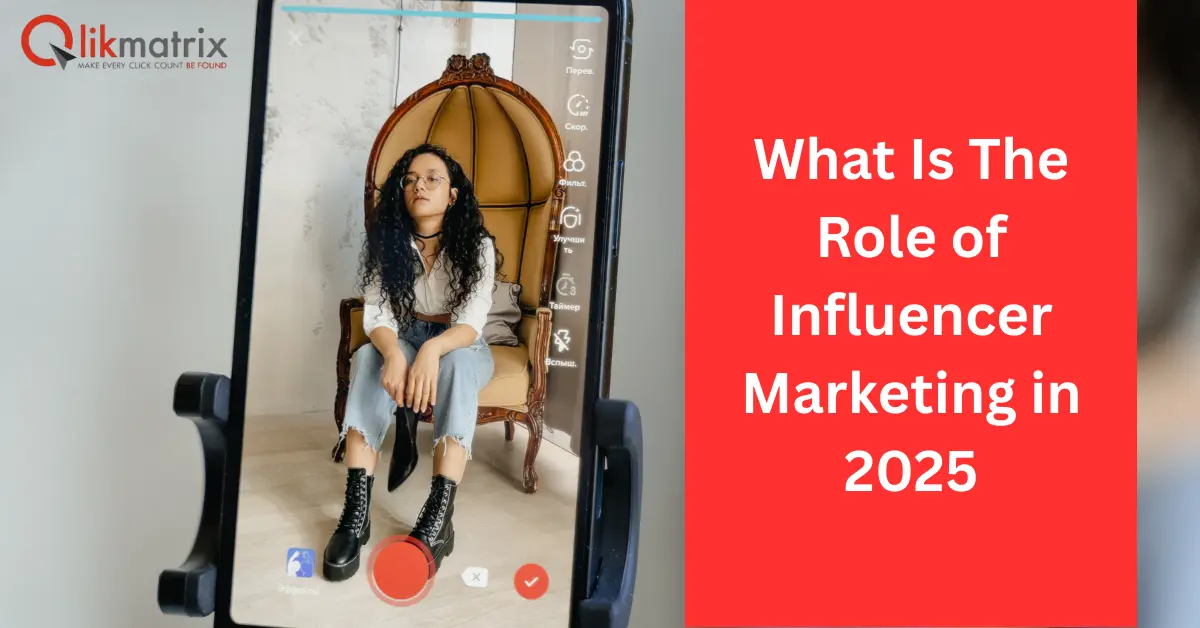
The Role of Influencer Marketing in 2025

The role of influencer marketing has transformed how businesses connect with audiences. From its historical roots to today’s digital-driven strategies, influencer marketing builds trust, credibility, and targeted reach. Integrated with digital marketing services, it boosts SEO, social media engagement, and content value. This blog explores its history, benefits, and future trends, including AI, regulations, and nano-influencers, while highlighting its critical role in modern business growth.

The Role of Influencer Marketing in Digital Growth

Have you ever purchased a product simply because your favorite influencer recommended it? If yes, you’ve experienced the impact of the role of influencer marketing. In today’s interconnected world, influencer marketing has become one of the most effective strategies for businesses to engage audiences and build trust. Unlike traditional advertising, it leverages the credibility of influencers to create authentic connections. But what exactly is influencer marketing, and the role of influencer marketing, and how does it fit into the broader landscape of digital marketing services? Let’s dive in.

A Brief History of Influencer Marketing

The role of influencer marketing may seem like a modern phenomenon, but its roots go back centuries. In the 1760s, English potter Josiah Wedgwood used royal endorsements to promote his pottery, branding it as “Queen’s Ware.” This marked one of the earliest examples of influencer-driven marketing.

Fast forward to the digital era, and the rise of Instagram, YouTube, and TikTok has democratized influence. Today, anyone with a loyal following—whether a celebrity or a micro-influencer—can impact consumer behavior. This has transformed how brands design strategies, making influencer marketing an essential part of digital campaigns.

Why Influencer Marketing Matters in the Digital Age

Within digital marketing services, the role of influencer marketing stands out for its authenticity. Consumers see influencers as relatable and trustworthy, unlike faceless ads. Studies reveal that 92% of people trust recommendations from individuals over brands. No wonder 89% of marketers believe influencer marketing delivers ROI equal to or better than other channels.

Building Trust and Credibility

Influencers build communities based on trust. When they endorse a product, followers are more inclined to believe the recommendation. This credibility is something traditional advertising rarely achieves.

Reaching the Right Audience

Another strength of and the role of influencer marketing is targeted reach. By working with influencers whose audience matches your demographic, businesses can ensure the right message hits the right people. Interestingly, micro-influencers (10,000–50,000 followers) often drive better engagement than mega-celebrities due to their niche connections.

How Influencer Marketing Connects with Digital Marketing Services

Influencer marketing doesn’t exist in isolation. It ties directly into core digital marketing services like content marketing, SEO, social media, and email campaigns.

  • Content Marketing: Influencers create authentic, engaging posts, videos, or blogs that brands can repurpose. Research shows influencer content generates up to 8x higher engagement than brand-owned content.
  • SEO and Backlinking: When influencers link to brand websites, it boosts search rankings. High-quality backlinks from influencers can improve SEO visibility by nearly 97%.
  • Social Media Marketing (SMM): Collaboration with influencers on Instagram, Twitter, or LinkedIn expands brand reach. Around 70% of millennials admit influencer recommendations affect their purchase decisions.
  • Email Marketing: Exclusive influencer content in email campaigns enhances personalization, leading to 26% higher open rates and 29% better click-through rates.

The Role of Influencer Marketing in Future

The role of influencer marketing is set to become even more sophisticated. Here’s what lies ahead:

AI and Data-Driven Strategies

Artificial intelligence will play a central role in identifying the best influencers, predicting campaign results, and personalizing content. By 2025, AI-powered influencer campaigns could make up over 50% of digital marketing strategies.

Regulation and Transparency

Governments and agencies are enforcing stricter guidelines to ensure influencer endorsements are genuine. Clear disclosure of sponsored content will strengthen consumer trust.

The Rise of Nano-Influencers

While big celebrities once dominated the scene, brands now prefer nano-influencers with small but highly engaged audiences. Their authentic and personal connections often deliver better results in niche markets.

Business Perspective: Why It Matters for Brands

For businesses, understanding the role of influencer marketing is no longer optional—it’s essential. It helps in brand building, boosts conversions, and supports long-term customer loyalty. Whether it’s creating relatable stories, improving SEO visibility, or driving social engagement, influencer marketing integrates seamlessly with broader digital marketing services.

At QlikMatrix, we specialize in combining influencer marketing with comprehensive digital strategies. Our data-driven approach ensures that campaigns are impactful, measurable, and aligned with business goals.

Conclusion

The role of influencer marketing has grown from royal endorsements in the 18th century to AI-driven campaigns in today’s digital ecosystem. By merging trust, credibility, and targeted reach, it strengthens every part of digital marketing services—from content creation to SEO and social media engagement.

For businesses looking to thrive in this competitive market, the top digital marketing agency can ensure that influencer strategies deliver measurable success and long-term growth.

Q1. What is the most expensive online advertising mistake?

Ans. Audience targeting gone wrong, by a distance. A bad keyword wastes only the clicks it generates. Targeting the wrong people means every rupee goes to someone who was never going to buy. It doesn’t stop on its own. It runs until someone actually digs into who’s clicking and finds none of them were real prospects.

Q2. How often should campaigns be reviewed?

Ans. Every week for the first month without exception. After that, every two weeks at a minimum. The search terms report, audience performance breakdown, and creative fatigue all shift faster than a monthly review schedule can catch.

Q3. Does ad copy really change conversion rates that much?

Ans. The difference between two ads targeting the same audience with the same budget but different copy is regularly 200 to 400 percent in conversion rate. Copy is not a secondary consideration. It’s often the primary one.

Q4. How do I know if my conversion tracking is actually working?

Ans. Do a test conversion yourself. Check if it fires in real time inside your platform’s event manager. Then compare the conversion numbers from your ad platform against actual sales in your CRM every week. Consistent gaps between those two numbers mean something is broken in the tracking chain.

Some of the most expensive online advertising mistakes are sitting inside campaigns that look completely normal on the surface. Impressions coming in. Clicks happening. Budget spending cleanly. And underneath all of it, money going to the wrong people, for the wrong searches, tracked incorrectly, with copy that never had a chance.

Table of Contents

If you work with search engine marketing services or manage paid ads internally, this is where to look first.

1. Poor Audience Targeting

This mistake means paying for every click from people who were never going to buy. It doesn’t stay small. It scales with the budget.

A fitness brand running ads to everyone aged 18 to 65 interested in health is not targeting an audience. That’s broadcasting. Pull actual customer data. Who bought before? What age, location, device? Which pages did they visit before converting? Build lookalikes from real buyers on Meta, not from guesses about who might be interested. For B2B, LinkedIn’s job title and company size filters exist for a reason. Use them with behavioral data layered on top, not instead of it.

On Google, match types matter more in 2026 than most advertisers realise. Broad match without a solid negative keyword list shows ads for searches that have nothing to do with what you sell. Audience settings are not a one-time setup job. Review them every 30 days.

2. Wrong Keyword Selection

This is why campaigns look good in the dashboard and produce nothing in the bank account. Impressions up. Clicks up. Conversions flat.

Someone typing “how does retargeting work” is doing research. Someone typing “retargeting agency for ecommerce” is ready to talk to someone. Both live inside the same industry. Only one has buying intent. Bidding on both with the same budget treats research traffic like purchase traffic, and that’s where money disappears.

Good online advertising mistakes analysis starts with knowing which six areas drain the most money and in what order to fix them. Keyword intent is the first filter. Get it wrong here and everything downstream, the bids, the budget, the reporting, runs on bad inputs.

Negative keywords need to be built before the campaign launches, not discovered in the first week’s search terms report. “Free,” “DIY,” “how to,” and competitor names where you don’t want comparison traffic are the starting point, not the full list. Check the search terms report every week for the first month. What you think you’re targeting and what you’re actually showing for are different lists more often than not.

3. Lack of Conversion Tracking

No tracking means no real data. Every budget decision after that is a guess dressed up as a strategy.

The problem isn’t that advertisers skip tracking. It’s that they set it up wrong and never check whether it’s working. Page view is tracked instead of form submission. Most accounts have the tag firing on page load, not on actual form submission. Every false fire sits in your data as a real conversion, and you optimise against it without knowing. iOS 14 broke attribution in 2021 and most ad accounts still haven’t fixed it, which means Google Ads, Meta pixel, and GA4 are all showing different numbers, and none of them are complete.

Cross-reference them weekly against actual CRM data or backend sales numbers. If the numbers don’t match consistently, something in the tracking chain broke somewhere and you’re optimising campaigns based on wrong information.

4. Low Quality Ad Copy

This is what turns a perfectly targeted campaign into a money pit.

The pattern is almost always the same. The headline leads with the brand name. The body copy lists features. The language is vague. “High quality.” “Trusted.” “Industry-leading.” None of it means anything to someone who doesn’t already know you. And the person seeing your ad doesn’t know you yet.

In search, the headline has to match the intent behind the keyword. Someone searching for accounting software for a small business wants to see that reflected back, specifically, not a tagline that could apply to any software company on earth.

On social, the first two seconds are everything. A hook naming a specific problem the audience actually has, or a claim that catches them off guard, gets the read. A logo and a brand slogan does not. Run three different creative angles per ad set at a minimum. Pull the one that works and scale it. Replace the ones that don’t before they drain the budget.

FAQs

Q1. What is the most expensive online advertising mistake?

Ans. Audience targeting gone wrong, by a distance. A bad keyword wastes only the clicks it generates. Targeting the wrong people means every rupee goes to someone who was never going to buy. It doesn’t stop on its own. It runs until someone actually digs into who’s clicking and finds none of them were real prospects.

Q2. How often should campaigns be reviewed?

Ans. Every week for the first month without exception. After that, every two weeks at a minimum. The search terms report, audience performance breakdown, and creative fatigue all shift faster than a monthly review schedule can catch.

Q3. Does ad copy really change conversion rates that much?

Ans. The difference between two ads targeting the same audience with the same budget but different copy is regularly 200 to 400 percent in conversion rate. Copy is not a secondary consideration. It’s often the primary one.

Q4. How do I know if my conversion tracking is actually working?

Ans. Do a test conversion yourself. Check if it fires in real time inside your platform’s event manager. Then compare the conversion numbers from your ad platform against actual sales in your CRM every week. Consistent gaps between those two numbers mean something is broken in the tracking chain.

Request A Proposal

Our team will connect back with you within 24 hours.

Get In Touch