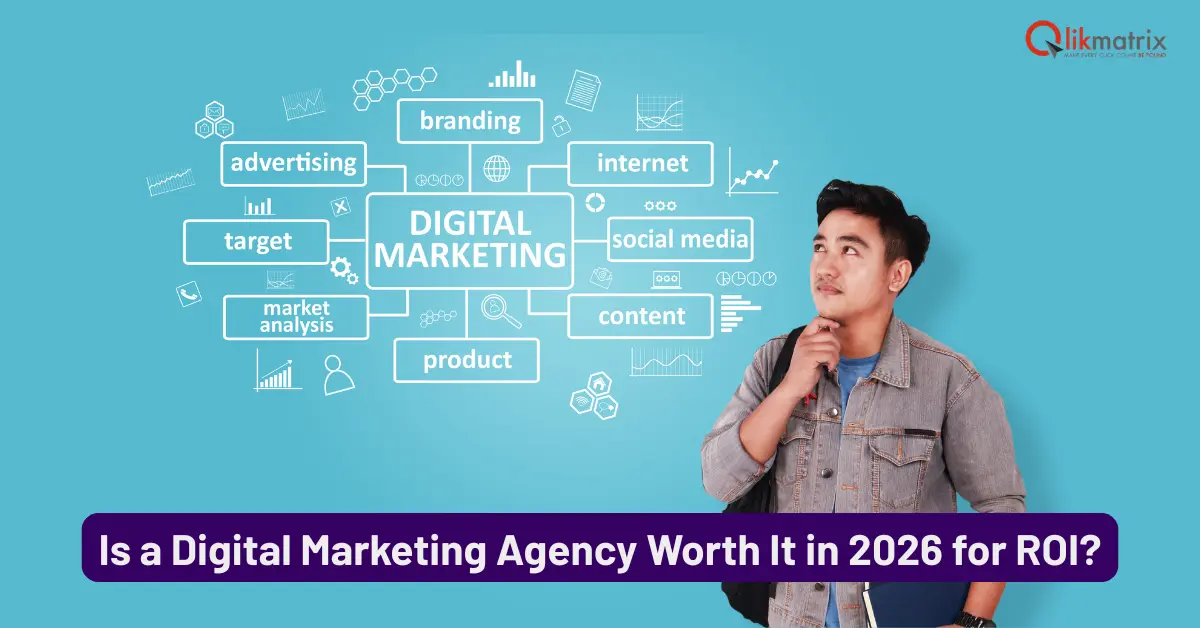
Yes, digital marketing is worth it as it helps businesses to stay visible, attract an audience, and grow steadily with the right method.
Growth might slow down when visibility drops. A business may provide a great product, but if people cannot find it online, interest fades instantly. Most buying journeys now start with a simple search, a scroll, or a quick comparison. This shift has changed how businesses connect to customers.
This is where the question “Is a digital marketing agency worth it?” becomes crucial. The solution depends on how well marketing is handled, how constantly it is done, and how clearly outcomes are tracked.
The right approach does not just bring traffic. It brings attention from people who are already interested. That is why many brands rely on the best digital marketing agency to guide their strategy, manage campaigns, and keep growth steady over time.
Why Digital Marketing Matters More Than Ever
Digital behaviour has changed completely. Most people now search online before making any decision.
- More than 90% of consumers research products and services online before buying
- If a business is not visible online, it is almost invisible to potential customers
Digital marketing matters because it is:
- Cost-effective
Running advertisements on platforms such as Google or social media costs less compared to TV or print advertising. It also reaches people who are more likely to be interested
- Measurable
Every click, visit, and action can be tracked. This makes it easier to understand what is working and what requires improvement
- Scalable
Whether it is a small business or a large company, campaigns can be adjusted based on budget and goals
The advantages of digital marketing services become clear when results can be seen and improved in real time. Instead of guessing, decisions are made using actual performance.
Key Advantages of Digital Marketing for Businesses
A well planned strategy that supports growth in different ways. The benefits are practical and can be seen in daily business activities.
Increased Online Visibility
- Content, advertisements, & SEO help businesses to reach a wider audience
- A strong SEO strategy makes it easier for customers to find which website is right for them
Example: Madhu Chocolate gained strong visibility after being featured online, which increased website traffic
Cost-Effective Channels
Digital platforms are easier on budgets compared to traditional methods.
- Websites, blogs, and email marketing require less spending
- Many tools are available at low cost or even free
Targeted Audience Reach
Digital tools allow precise targeting.
- Audience can be segmented based on interests and behaviour
- Campaigns can be personalised for various groups
Building Brand Awareness & Loyalty
Constant online presence builds trust.
- Regular engagement helps build lasting relationships
Example: Shea Yeleen gained strong exposure through digital placements and social media visibility
Lead Generation & Conversion
Multiple touchpoints guide customers through the journey.
- Email, social media, and content work together
- Actions such as sign-ups, demo bookings, or purchases become easier
Adapt The Changing Behaviour
Consumer behaviour keeps changing, and digital marketing also changes quickly.
- Tracking tools help understand trends
- Strategies can be updated based on real-time data
Tracking Results Accurately
Performance can be measured clearly.
- Businesses can see who is clicking and engaging
- Insights help improve future campaigns
Staying Ahead of Competitors
Businesses that adapt faster stay ahead.
- Local SEO and updated strategies create an edge
- Competitors who ignore digital channels fall behind
All these points show why the best digital marketing agency plays a key role in managing these efforts properly.
ROI of Digital Marketing
Digital marketing shows clear results when done right. It does not just bring visibility, it brings growth.
- Many businesses have gained new customers through digital strategies
- Campaigns continue to improve over time with better data
Examples make this clearer:
- SEO
Ranking higher on search engines brings steady traffic without paying for any click.
- Social Media Marketing
Platforms such as Instagram & TikTok help brands to build communities and increase engagement
- Email Marketing
Helps to stay connected with customers and bring repeat actions
Real brand examples:
- HubSpot
Built trust by sharing useful blogs, webinars, and guides. This made them a reliable source for marketers
- Starbucks
Used social media campaigns like the White Cup Contest to engage users and create content from customers
- Red Bull
Focused on exciting content and events that matched audience interests, building a strong community
- Oreo
Reacted quickly during a live event, creating a simple but memorable moment that gained attention
These instances highlight the digital marketing success rate when ideas connect with people in a better way.
What Could Happen If You Cut Your Marketing Budget Entirely
Cutting marketing may not show instant damage, but the impact builds over time:
- Existing customers may still return for a while
- Word-of-mouth may bring a few new people
But slowly:
- Visibility drops
- Competitors take attention
- Customer interest shifts elsewhere
Over time:
- Sales begin to decline
- New customer flow reduces
- Growth becomes difficult
Without marketing, a business loses its voice. This is why understanding how to measure ROI in digital marketing becomes important. It helps to make sure that spending is meaningful and results are clear.
Practices That Provide the Best Outcomes
Constant effort and the right practices make a huge difference:
Targeted Advertising
- Ads should focus on specific groups
- Better targeting leads to better results
Local SEO
- Optimising for local searches helps attract nearby customers
- “Near me” searches bring high-intent users
Reputation Management
- Positive reviews build trust
- Responding to feedback shows care
Multi-Channel Marketing
- Using multiple platforms increases reach
- Search, social media, and email together create stronger engagement
These methods show the real advantages of online marketing strategies when applied correctly.
Is Digital Marketing Worth It: The Final Take
Yes, digital marketing is worth it when it is done with clear goals, constant effort, and right tracking.
It is not about using every platform. It is about using the right platforms in the right way.
Key takeaways:
- Visibility leads to opportunities
- Data helps improve performance
- Consistency builds trust
The question “Is a digital marketing agency worth it?” often comes down to execution. When strategies are handled well, results follow naturally.
Conclusion
Digital marketing is no longer optional. It is the main part of business growth. A strong partner like QlikMatrix helps turn strategies into outcomes. With services such as SEO, SEM, social media marketing, web analytics, and branding, the focus stays on real outcomes, not just activity.
QlikMatrix works with a performance-driven approach, designed for real business impact. It provides tailored strategies based on audience and goals, full funnel thinking from awareness to conversion, and data-backed decisions for continuous growth.
The goal is simple: connect brands with the right audience and turn attention into meaningful action.
FAQs
Q1. Is a digital marketing agency worth it for small businesses?
Ans. Yes, it helps small businesses reach the right audience and grow faster without wasting budget on the wrong marketing tactics.
Q2. What are the advantages of digital marketing services?
Ans. Better visibility, targeted reach, measurable results, and cost control make digital marketing more effective than other methods.
Q3. How to measure ROI in digital marketing?
Ans. ROI is measured by tracking clicks, conversions, and engagement, then comparing results with the cost spent on campaigns.
Q4. What is the digital marketing success rate?
Ans. Success depends on strategy and execution. Constant efforts with the right targeting and tracking usually bring strong and steady outcomes.
Q5. How to select the best digital marketing agency?
Ans. Look for experience, a clear strategy, measurable outcomes, and a team that understands business goals before starting any campaigns.