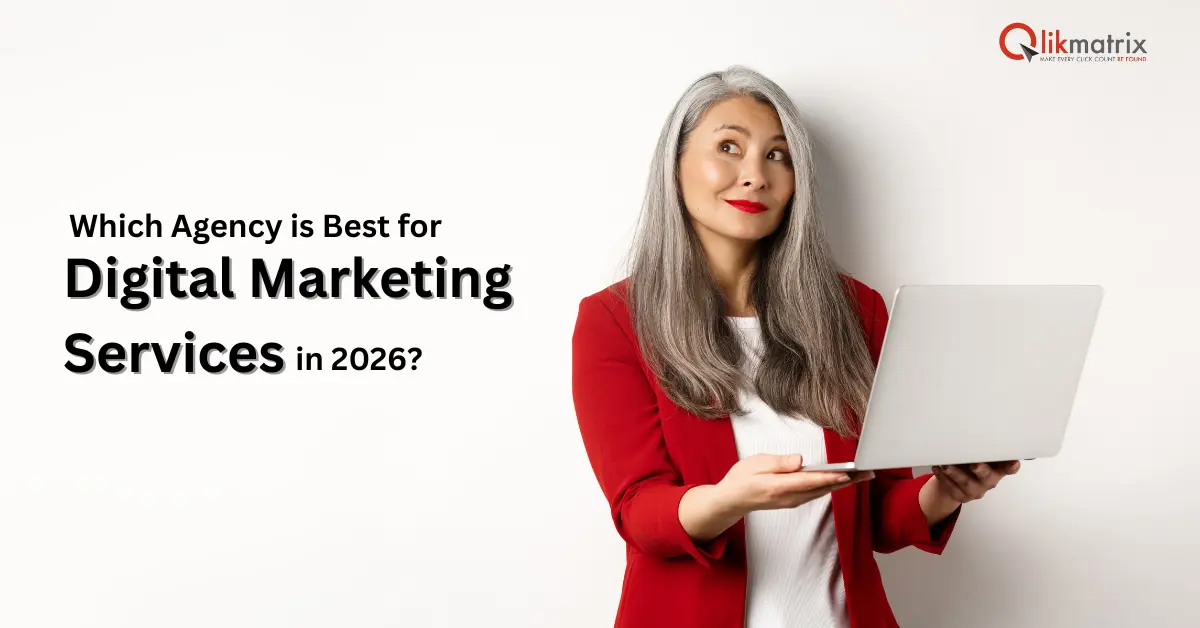
Running a business online has become harder than it looks. Websites exist, social pages are active, and ads are running, yet results often feel slow or unclear. Many brands struggle not because they lack effort, but because their digital presence is scattered. Messages do not connect, platforms don’t align, & visibility keeps fading away. This confusion can lead to a crucial question that many businesses are asking as 2026 approaches: Which agency is right for digital marketing services in 2026? The solution does not depend on hype or fake promises.
To understand how marketing has changed, why visibility is important, and what services help to achieve long-term growth, read this blog and make yourself understand what things are required for the best agency, and which is the right fit for your business.
Digital Era: Evolution of Marketing
Initially, marketing was done in newspapers, billboards, and television advertisements. These methods still exist, but digital platforms are now leading the way. People search, scroll, compare, and decide online. In 2026, brands are expected to appear exactly when someone needs them.
Digital discovery has moved beyond basic searches. AI-driven platforms now guide decisions, recommend options, and shape online visibility. If digital assets are not prepared for this shift, businesses risk being ignored.
Key changes that shaped modern marketing include:
- Movement from print and TV to online platforms
- Growth of search-based discovery
- Rise of AI-driven recommendations
- Demand for fast, relevant digital experiences
A digital marketing company plays a key role in handling this transition. It connects traditional visibility methods with modern discovery systems so brands stay visible across platforms that matter today.
Importance of Online Visibility
Online visibility is no longer optional. Without it, businesses simply do not exist in the eyes of modern consumers. Presence must be consistent, fast, and structured properly.
Digital visibility now depends on more than just having a website. It includes:
- Structured content that machines can read
- Fast-loading mirrored websites
- Technical SEO foundations
- Consistent branding across platforms
An internet marketing agency focuses on making sure businesses appear not only in search results but also in AI-generated summaries & platform overviews. Without this support, even strong brands can lose reach. Visibility acts as the entry point to trust, engagement, and growth.
Vital Digital Marketing Services for 2026
Search Engine Optimization (SEO) with AI Support
SEO remains the foundation of digital visibility. However, modern SEO now blends classic optimisation with AI-based insights.
Key elements include:
- Keyword research supported by machine learning
- Technical optimisation for faster performance
- Mobile and voice search readiness
- Site issue detection before rankings drop
The best digital marketing agency manages SEO as a constant process.
Pay-Per-Click & Programmatic Advertising
Paid advertising plays an important part in digital marketing services. Automated ad placement helps to manage spending while increasing reach
Core features include:
- Programmatic ad buying
- Funnel testing and optimisation
- Retargeting and remarketing strategies
- Continuous ad variation testing
Ad management makes sure budgets are spent wisely, and results are outstanding.
Social Media Marketing
Social media platforms have changed into spaces for conversation, and not just promotion. Authentic content performs better than polished sales messages.
Effective strategies focus on:
- Platform-specific campaigns
- Real-time audience engagement
- Community-driven growth
- Influencer collaborations built on trust
A creative digital marketing agency understands how storytelling and credibility drive long-term engagement.
Content Marketing
Content today goes beyond blogs. This consists of videos, podcasts, and interactive narratives.
Strong content strategies involve:
- Clear brand storytelling
- SEO-aligned content creation
- Interactive formats that encourage action
- Immersive brand experiences
Content is not created for volume, but for connection.
Email and SMS Automation
Direct communication channels remain powerful when used correctly.
Successful campaigns rely on:
- Message personalisation
- Audience segmentation
- Smart triggers and automated flows
- CRM and ecommerce integration
This ensures communication feels relevant instead of repetitive.
Website UX, Design, and Development
A website acts as the foundation of all digital marketing services. Design now focuses on function as much as appearance.
Modern websites require:
- Mobile-first layouts
- Accessibility-friendly design
- Fast load times
- Data-driven improvements
A strong website supports every campaign running around it.
Customer Experience Optimization
Traffic alone does not create results. Conversion-focused optimisation turns visitors into customers.
This includes:
- Behaviour tracking
- A/B testing of landing pages
- Real-time dashboards
- Continuous performance improvement
Decisions are made by data, and not by assumptions.
Interactive Media Engagement
Interactive digital experiences are becoming part of modern marketing.
This includes:
- Interactive narrative
- Virtual environments
- Community-building spaces
- Interactive brand experiences
Advanced Chatbots and Conversational Marketing
Instant responses matter. Chatbots now support customer interaction around the clock.
They help with:
- Guided shopping
- Customer support
- Lead generation
- Seamless user journeys
Conversational tools improve engagement while reducing response delays.
Data-Driven Insights with Privacy Focus
As tracking methods change, first-party data becomes more valuable.
Key priorities include:
- Transparent analytics
- Privacy-compliant strategies
- Agile campaign adjustments
- Honest performance reporting
How to Select the Best Digital Marketing Agency?
While selecting the right digital marketing agency, you need to consider some key factors. Some of the key factors are:-
- Experience & Case Studies: Check agencies’ past projects, problem-solving strategies, and their results
- Industry Expertise: Select those agencies that have worked on a specific industry. Also, do not go for those agencies that just work; choose those that work smarter and faster
- Spectrum of Services: Full-service agencies provide long-term growth without changes
- Transparency and Reporting: Honest communication creates trust and clarity
- Pricing and Return Expectations: Realistic commitments matter more than bold promises
- Team Expertise: Understanding who handles the work ensures accountability
A strong internet marketing agency values clarity, honesty, and a constant approach.
Collaborate With QlikMatrix For Long-Term Digital Growth
Digital growth works best when strategy and creativity move together. QlikMatrix focuses on building campaigns that are natural, measurable, and aligned with your real business goals.
As the best digital marketing agency, QlikMatrix provides a complete range of digital marketing services, which include SEO, social media, web development, branding, analytics, & paid advertising.
Growth is approached as a process, not a promise. Each campaign is made to support real engagement, stronger visibility, and lasting business impression. Selecting the right digital partner shapes how your brand is seen, remembered, and trusted. With the right direction, online visibility becomes a stable path forward rather than a challenge.