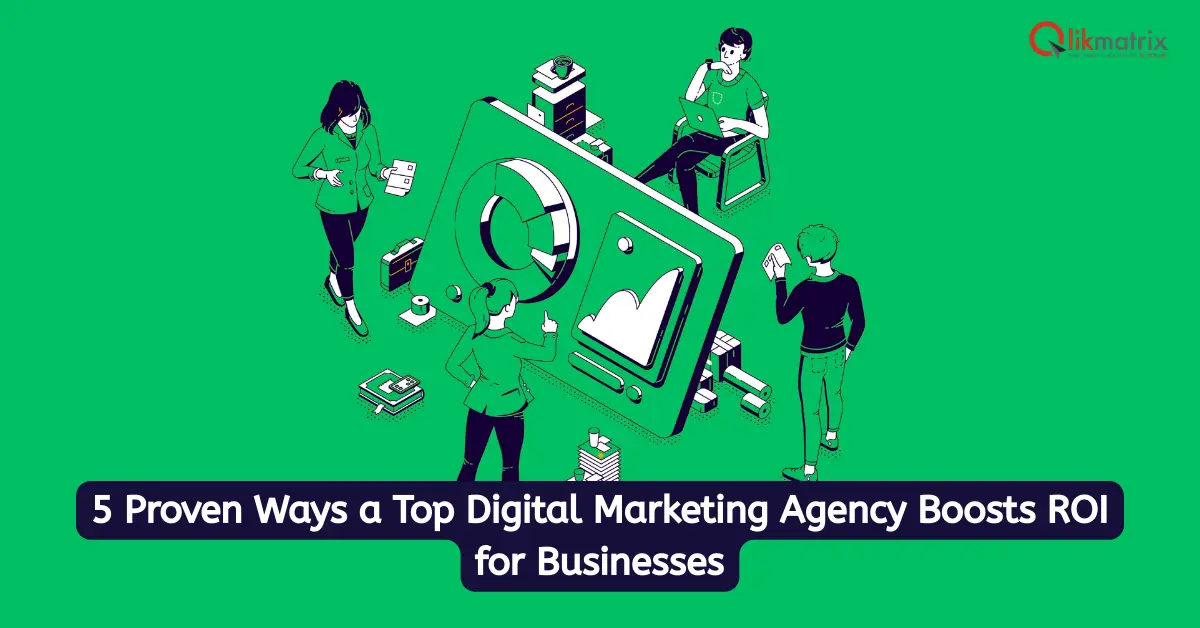
Many businesses try hard online but still struggle to see real results. Posts are shared, ads are running, websites exist, yet leads stay low, & growth feels slow. Efforts look busy, but results feel missing. This gap often appears when marketing actions are not planned, tracked, or improved rightly.
Clear direction, the right message, and smart use of online platforms can change everything. A top digital marketing agency helps to connect the right audience with the right offer at the right time. With simple but right steps, online activity begins to turn into real visibility, real leads, & real business value.
What is Digital Marketing?
Digital marketing means promoting products or services using online platforms. These platforms consist of websites, social media, emails, search engines, & mobile apps. This is not like traditional marketing. Digital marketing allows better targeting, real-time tracking, & quick improvements.
It mainly includes:
- Search engine optimization (SEO) to increase website visibility
- Content marketing to educate and attract people
- Pay-per-click ads to reach ready customers
- Social media marketing to build connections and awareness
- Email marketing to stay in touch with customers
Digital marketing is flexible. Campaigns can be adjusted anytime based on outcomes. This helps businesses to improve performance without wasting effort.
5 Ways a Digital Marketing Agency Can Boost Your Business
A top digital marketing agency does more than running advertisements. It builds a complete system that supports growth step by step.
1. Smarter SEO Strategy for Better Visibility
Search engines keep changing. Good SEO today needs the right keywords, correct balance, and quality content.
A digital agency helps by:
- Finding the best search terms for the business
- Maintaining proper keyword use without harming content quality
- Improving search ranking naturally
- Keeping content useful and reader-friendly
This improves online presence and helps people find the business easily.
2. Using Social Media the Right Way
Social media is more than randomly posting. Each platform attracts a different audience.
A digital agency helps to:
- Identify which platforms suit the target audience
- Create focused campaigns for each platform
- Keep brand message clear and consistent
- Maintain strong visibility where customers spend time
This builds awareness and keeps the brand active in front of the right people.
3. Targeted PPC Ads with Better Control
Running paid ads without planning can waste money. Proper guidance is needed to manage bids, budget, and performance.
A SEM consulting agency or performance team helps by:
- Planning where ad budget should go
- Monitoring which ads perform better
- Improving results through continuous adjustment
- Controlling costs while improving reach
This makes paid marketing more effective and measurable.
4. Strong Content That Converts Visitors
A website should do more than exist. It should attract, guide, and convert visitors.
A digital marketing agency supports by:
- Creating useful and engaging content
- Testing landing pages to improve response
- Ensuring mobile-friendly design
- Turning website into a lead-generating platform
Good content combined with smart structure increases conversions naturally.
5. Integrated Marketing Across All Channels
Growth becomes stronger when all marketing efforts work together. Blog, ads, social media, and content must support one message.
A digital agency helps to:
- Align marketing across all platforms
- Improve branding through consistent communication
- Use backlinks, content, and ads together
- Increase overall marketing impact
- This integrated approach enhances results & supports long-term growth
How Digital Marketing Services Can Benefit Your Business?
Digital marketing services provide clear benefits when done rightly. Performance marketing services focus on measurable outcomes, and not just activity.
Key Advantages
1. Better Brand Visibility
- Online platforms help businesses reach a bigger audience
- SEO, content, & social media increase recognition
- Strong visibility improves trust and attention
2. Strong Customer Engagement
- Businesses can respond directly to customers
- Social media and emails create real interaction
- Engagement builds loyalty and connection
3. Targeted Marketing for Better ROI
- Ads reach people based on interest and behavior
- Reduces waste and improves conversions
- A lead generation agency helps attract quality leads
4. Cost-Effective Strategy
- Digital marketing is flexible for varied budgets
- Campaigns can be adjusted anytime
- Real-time monitoring enhances efficiency
5. Data-Driven Decisions
- Performance can be tracked easily
- Insights help improve strategy
- Better decisions can lead to better outcomes
6. Builds Trust & Credibility
- Consistent content builds confidence
- Customer interaction improves reputation
- Clear communication increases reliability
With the right performance marketing services, businesses can move from guessing to measurable growth.
How to Select the Best Digital Marketing Agency?
Choosing the right partner is important. A good top digital marketing agency works like a growth partner, not just a service provider.
Important Things to Keep In Mind
Experience & Skill Set
- Check past work and industry experience
- Look for real success stories and client feedback
Service Offerings
- Make sure services match business requirements
- SEO, PPC, content, & social media should be included
Communication & Transparency
- Constant updates and reports are essential
- Clear strategy discussion enhances outcomes
Cultural Fit
- Goals and work style should align
- Smooth collaboration improves performance
Technical Capabilities
- Use of modern tools and analytics matters
- Technology improves tracking and results
Scalability and Flexibility
- Strategy should adapt as business grows
- Campaigns should improve based on performance
The right choice leads to long-term success and stable growth.
From Strategy to Real Growth: The QlikMatrix Edge
Sustained growth needs clarity, consistency, and performance focus. QlikMatrix works on building marketing that delivers measurable outcomes, not just activity.
Key strengths include:
- Complete digital solutions under one system
- Strong search engine marketing for the right audience targeting
- Social media campaigns designed to build real engagement
- SEO strategies focused on long-term visibility
- Data and analytics for smarter decisions
- Websites designed for growth and conversion
- Branding that builds trust and recognition
Approach focuses on:
- Understanding brand, audience, and goals
- Creating clear and purposeful strategy
- Executing campaigns with precision
- Measuring what truly matters
Consistent strategy, tailored execution, and performance mindset help businesses move from effort to real results.
Conclusion
Online growth does not come from just random actions. Clear strategy, correct targeting, strong content, & continuous improvement make the real difference. A top digital marketing agency connects all these parts into one focused system.
With the right use of performance marketing services, support from a lead generation agency, and guidance from a SEM consulting agency, marketing begins to produce real business impact instead of just activity.
Steady planning, measurable execution, and smart digital direction help businesses grow with confidence, and that is where the right digital partner truly matters.